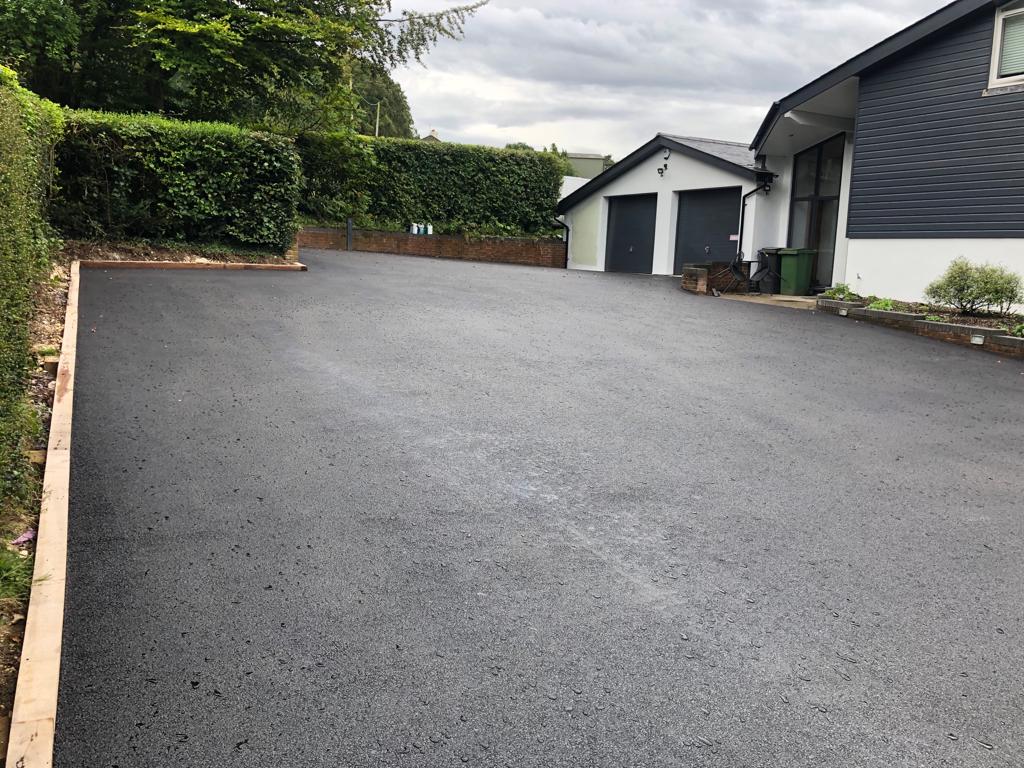
Road surfaces are only as strong as the foundation beneath them. While asphalt and bitumen provide a durable and reliable driving surface, proper grading is one of the most important factors in ensuring long-term pavement performance. Without correct grading, even a well-constructed road can develop drainage issues, structural weaknesses, and premature deterioration.
At Shepparton Road Tech, we understand that successful asphalt and bitumen resurfacing projects begin long before the final surface is applied. Proper grading plays a critical role in protecting roads, driveways, access roads, and commercial surfaces throughout Shepparton, VIC.
What Is Road Grading?
Road grading is the process of shaping and levelling the ground or base layer to create the correct profile before surfacing materials are installed. This process ensures that the road has the appropriate slope, drainage characteristics, and structural support required for long-term performance.
Grading is not simply about creating a smooth surface. It is a carefully planned process designed to manage water, distribute traffic loads, and provide a stable foundation for the pavement above.
Why Water Is the Biggest Threat to Road Surfaces
Water is one of the leading causes of road damage. When moisture is allowed to pool on the surface or penetrate beneath the pavement, it can weaken the base layers and compromise the structural integrity of the road.
Common problems caused by poor drainage include:
- Surface cracking
- Pothole formation
- Base erosion
- Rutting and depressions
- Edge deterioration
- Premature pavement failure
Proper grading directs water away from the road surface and reduces the risk of these issues developing over time.
Preventing Water Pooling
One of the primary goals of grading is to create the correct surface fall so water can drain efficiently.
If a road surface contains low spots or uneven sections, water can collect and remain on the pavement after rainfall. Standing water accelerates wear and increases the likelihood of surface damage.
A properly graded surface allows water to flow naturally towards designated drainage areas, helping keep the pavement dry and protected.
Protecting the Road Base
The road base provides the structural support needed to carry vehicle loads. If water penetrates into the base layers, the material can become unstable and lose its ability to support the pavement above.
Proper grading helps prevent water infiltration by encouraging effective drainage before moisture has an opportunity to reach the foundation.
By protecting the base, grading helps extend the lifespan of the entire pavement structure.
Reducing the Risk of Cracking
Cracks often develop when the pavement experiences movement caused by unstable ground conditions or moisture-related damage.
When grading is completed correctly, the underlying foundation remains more stable and less susceptible to shifting. This reduces stress on the asphalt or bitumen surface and lowers the likelihood of cracking.
Preventing cracks early helps minimise future maintenance requirements and preserves the overall condition of the road.
Minimising Pothole Formation
Potholes are often the result of water entering small cracks and weakening the layers beneath the surface. As traffic passes over these weakened areas, sections of the pavement can break apart.
Because proper grading improves drainage and limits water infiltration, it significantly reduces the conditions that commonly lead to pothole formation.
This contributes to a safer and more reliable road surface for all users.
Improving Surface Longevity
Road surfaces are subjected to continuous traffic loads and environmental conditions. A properly graded foundation helps distribute these loads more evenly across the pavement structure.
This improved load distribution reduces localised stress points and allows the surface to perform more effectively over time.
As a result, roads with correct grading often experience fewer structural problems and enjoy a longer service life.
Supporting Effective Asphalt and Bitumen Resurfacing
Resurfacing projects are designed to restore the performance and appearance of existing roads. However, applying a new surface over an improperly graded base may not address the underlying issues causing deterioration.
Professional resurfacing often includes evaluating and correcting grading problems before the new asphalt or bitumen layer is installed. This ensures the upgraded surface has the strongest possible foundation for long-term success.
The Importance of Professional Site Assessment
Every site presents unique challenges. Existing drainage patterns, soil conditions, traffic requirements, and surrounding infrastructure all influence how grading should be designed.
Experienced contractors assess these factors before commencing work to ensure the finished surface performs as intended.
Professional grading provides:
- Improved drainage performance
- Greater pavement stability
- Reduced maintenance requirements
- Enhanced safety
- Longer pavement lifespan
These benefits make grading one of the most valuable investments in any road construction or resurfacing project.
Conclusion
Proper grading is one of the most effective ways to prevent road damage and maximise the lifespan of asphalt and bitumen surfaces. By controlling water runoff, protecting the road base, reducing cracking, and preventing potholes, grading creates the foundation for long-term pavement performance.
At Shepparton Road Tech, we understand the importance of quality preparation and grading in every surfacing project we undertake in Shepparton, VIC. Whether you are planning a new road, upgrading an access route, or undertaking asphalt and bitumen resurfacing, our team can provide professional advice and tailored solutions designed to deliver lasting results.
Call us on: 03 5907 5891
Click here to find out more about Shepparton Road Tech
Click here to complete our contact form and see how we can help with your road needs.