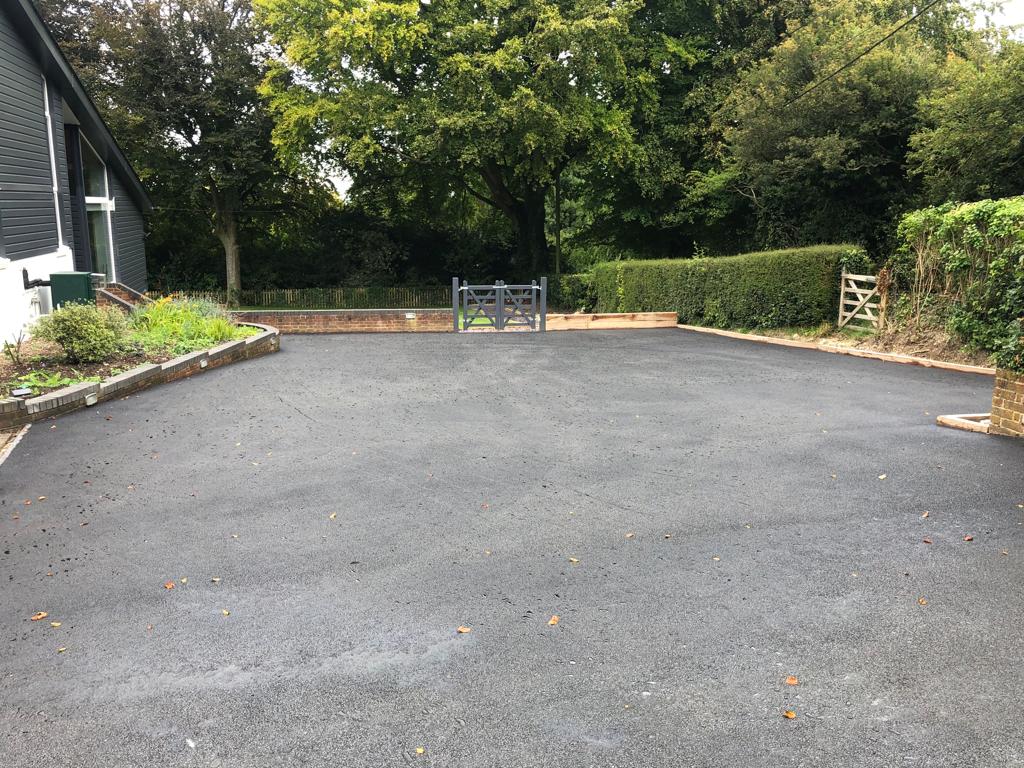
Asphalt surfaces are designed to withstand regular vehicle movements, but even a well-constructed pavement can deteriorate over time. Cracks, potholes, rutting and uneven sections can develop through traffic loading, weather exposure and changes within the supporting pavement. When these problems appear, deciding whether to patch, resurface or reconstruct the affected area is an important part of maintaining a reliable surface.
Not all asphalt damage requires the same treatment. Some defects can be corrected through targeted patching, while more extensive surface wear may be suitable for resurfacing. Where the underlying pavement has failed, reconstruction may be necessary to restore adequate structural support. At Shepparton Road Tech, we provide professional asphalt repairs and resurfacing throughout Shepparton, VIC, helping property owners understand the condition of their pavement and select an appropriate repair solution.
Frequently Asked Questions About Asphalt Patching, Resurfacing and Reconstruction
What Is the Difference Between Asphalt Patching, Resurfacing and Reconstruction?
These three methods address different levels of pavement deterioration.
Asphalt patching involves repairing a specific damaged section of pavement. It is commonly used for isolated potholes, localised cracking and small areas of deterioration.
Asphalt resurfacing involves preparing an existing pavement and installing a new asphalt layer over a suitable supporting structure. This method is often considered when the wearing surface has deteriorated but the underlying pavement remains stable.
Asphalt reconstruction involves removing and rebuilding failed pavement layers where the existing structure can no longer provide adequate support.
The correct approach depends on the extent of the damage and the condition beneath the visible surface.
When Is Asphalt Patching the Right Solution?
Patching is generally appropriate when damage is confined to a relatively small area and the surrounding pavement remains in reasonable condition.
For example, an isolated pothole in an otherwise serviceable driveway may be suitable for a localised repair rather than resurfacing the entire area.
Common situations where patching may be considered include:
- Individual potholes
- Small areas of broken asphalt
- Localised pavement settlement
- Damaged edges
- Isolated sections of surface deterioration
- Areas requiring targeted structural repairs
The damaged material must be assessed before patching begins. If the supporting pavement has weakened, repairs may need to extend below the visible asphalt.
Can Potholes Be Permanently Repaired?
A properly completed pothole repair can provide a durable solution, but its performance depends on the cause of the original damage.
Potholes often develop when water enters weakened pavement material and repeated vehicle movements cause the asphalt to break apart.
A professional repair may involve removing damaged material, correcting underlying weaknesses and reinstating the pavement with suitable asphalt.
If the pothole has developed because of an unstable base or persistent drainage problem, those conditions must also be addressed.
Simply filling the visible hole without correcting the cause may allow deterioration to return.
Why Do Some Asphalt Patches Fail?
A patch may deteriorate prematurely when the surrounding or underlying pavement remains unstable.
Common contributing factors include inadequate preparation, poor compaction, moisture penetration and movement within the supporting layers.
Repeated failure in the same location can indicate that the original damage extends beyond the surface.
Professional assessment helps determine whether another localised repair is appropriate or whether a larger section of pavement requires attention.
Can Cracked Asphalt Be Patched?
Certain types of cracking can be repaired locally, but the appropriate method depends on the crack pattern and severity.
Minor cracks may be suitable for crack treatment where the surrounding pavement remains stable.
More extensive cracking, particularly where the asphalt has broken into interconnected sections, can indicate pavement fatigue or structural movement.
In these circumstances, removing and reinstating the affected section may be more appropriate than treating individual cracks.
The objective is to address the cause of the cracking rather than simply conceal the visible damage.
What Is Asphalt Resurfacing?
Asphalt resurfacing involves installing a new asphalt wearing layer over an existing pavement that remains suitable for reuse.
Before resurfacing, the existing surface must be inspected and prepared. Damaged sections may need to be repaired, loose material removed and suitable surface irregularities corrected.
A bonding treatment may also be applied between the existing pavement and the new asphalt layer.
The new surface is then laid and compacted to create a consistent trafficable pavement.
Resurfacing can be effective when the underlying structure remains stable and the deterioration is primarily affecting the upper asphalt layer.
How Do You Know If Asphalt Is Suitable for Resurfacing?
An existing asphalt surface may be suitable for resurfacing when it shows general wear but retains adequate structural support.
Possible signs include:
- Widespread surface ageing
- Minor to moderate cracking
- Rough or weathered asphalt
- Localised defects that can be repaired
- Worn traffic areas
- A stable supporting pavement
However, surface appearance alone cannot confirm suitability.
A pavement may appear relatively sound while containing underlying weaknesses, or it may look heavily worn despite retaining a stable foundation.
Professional inspection is important before deciding whether resurfacing is appropriate.
Can Resurfacing Fix an Uneven Asphalt Surface?
Resurfacing can correct certain surface irregularities, provided the existing pavement is stable.
Minor variations in levels may be addressed through appropriate preparation and asphalt placement.
However, deep depressions, extensive rutting and significant settlement can indicate movement within the supporting pavement.
If these conditions are caused by structural weakness, placing a new asphalt layer over the affected area may not prevent the problem from returning.
The cause of the unevenness should therefore be identified before resurfacing begins.
Will Existing Cracks Reappear After Resurfacing?
Existing cracks can sometimes reflect through a new asphalt layer, particularly where movement continues within the underlying pavement.
This is known as reflective cracking.
The risk depends on the condition of the existing asphalt, the type of cracking and the pavement structure.
Appropriate crack treatment, localised repairs or other preparation methods may help manage this risk.
However, extensive structural cracking may indicate that resurfacing alone is not the correct solution.
When Is Asphalt Reconstruction Necessary?
Reconstruction becomes necessary when the existing pavement can no longer provide adequate structural support.
Unlike resurfacing, reconstruction addresses the pavement layers responsible for carrying vehicle loads.
Signs that substantial reconstruction may be required include:
- Widespread structural cracking
- Severe rutting
- Extensive pavement settlement
- Repeated pothole formation
- Large areas of unstable material
- Significant base deterioration
- Persistent failure of previous repairs
These conditions suggest that the problem extends below the wearing surface.
A professional assessment helps establish whether reconstruction is required across the entire area or only within particular sections.
What Happens During Asphalt Reconstruction?
The reconstruction process depends on the condition of the existing pavement and the intended use of the finished surface.
Work may involve removing failed asphalt and unsuitable supporting material, preparing the underlying formation and installing appropriate pavement layers.
The new base is shaped and compacted before the asphalt surface is constructed.
Drainage and surface levels should also be considered to reduce the likelihood of recurring moisture-related deterioration.
The objective is to rebuild the pavement structure so that it can adequately support the expected traffic.
Can Only Part of an Asphalt Surface Be Reconstructed?
Yes. Reconstruction does not always need to involve the entire driveway, road, car park or hardstand.
Where structural failure is confined to particular sections, those areas may be suitable for localised reconstruction.
The failed pavement can be removed and rebuilt while serviceable surrounding sections are retained.
However, the extent of the work should be based on the actual condition of the pavement.
If deterioration is widespread, isolated reconstruction may not adequately address the overall problem.
Why Is Drainage Important When Repairing Asphalt?
Drainage is a major consideration because water can contribute to deterioration within the pavement structure.
When rainfall enters cracks, potholes or damaged edges, it can affect the supporting materials underneath.
If these materials become weakened, repeated vehicle movements may cause settlement, cracking or further pavement failure.
Before completing repairs, the existing surface should be assessed for:
- Standing water
- Poor surface falls
- Depressions
- Blocked drainage paths
- Moisture-related damage
- Repeated deterioration in low-lying areas
Correcting drainage problems where necessary can help protect repaired and resurfaced sections.
Does Asphalt Repair Require Base Preparation?
Yes. The amount of preparation depends on the repair method and the condition of the pavement.
For a localised patch, preparation may involve removing damaged material and restoring a stable foundation.
For resurfacing, the existing pavement must be cleaned, repaired and prepared to support the new asphalt layer.
For reconstruction, failed pavement layers may need to be removed and replaced with suitable compacted material.
In every case, the quality of the supporting pavement is essential to the performance of the finished repair.
Can Asphalt Repairs Improve Surface Safety and Usability?
Professional asphalt repairs can improve the consistency and usability of a damaged surface.
Potholes, broken edges and uneven sections can make vehicle movements uncomfortable and create hazards for pedestrians using the area.
Repairing these defects can restore a smoother trafficable surface and reduce abrupt changes in pavement levels.
This is particularly valuable for frequently used driveways, access roads and car parks where vehicles regularly brake, turn and manoeuvre.
The appropriate repair should consider how the surface is used as well as the visible damage.
Is Resurfacing Always Better Than Patching?
No. Resurfacing is not automatically the most appropriate option simply because it covers a larger area.
If a pavement contains only a few isolated defects and the surrounding asphalt remains in good condition, targeted patching may be sufficient.
Conversely, when surface deterioration is widespread but the supporting pavement remains stable, resurfacing may provide a more consistent solution.
The decision should be based on the extent of the damage, the pavement structure and the intended use of the area.
Can Repeated Patching Indicate a Larger Problem?
Repeated patching can sometimes indicate that deterioration is becoming more widespread or that the original cause has not been resolved.
If potholes continually return or new defects appear close to previous repairs, the supporting pavement may require closer investigation.
In some situations, resurfacing may be appropriate. In others, structural repairs or reconstruction may be necessary.
A professional assessment can help determine whether continued patching remains effective or whether a broader repair strategy is required.
How Can You Prevent Asphalt Damage from Becoming More Extensive?
Regular inspections and timely maintenance can help identify problems before they spread.
Property owners should monitor their asphalt for:
- New or widening cracks
- Small potholes
- Loose or broken asphalt
- Areas of settlement
- Standing water
- Damaged pavement edges
- Recurring defects
- Increasing surface roughness
Addressing localised damage early can help preserve surrounding pavement that remains in good condition.
However, repairs should always be appropriate to the cause and extent of the deterioration.
How Do You Choose the Right Asphalt Repair Method?
Choosing between patching, resurfacing and reconstruction requires an understanding of the existing pavement.
A professional assessment should consider the condition of the wearing surface, the stability of the underlying layers, drainage and expected vehicle loads.
The most appropriate method is the one that addresses the actual problem.
Patching is generally suited to localised damage, resurfacing to suitable pavements with broader surface wear, and reconstruction to areas where structural support has failed.
Making this distinction helps ensure that repair work is directed towards the sections that genuinely require attention.
Professional Asphalt Repairs in Shepparton, VIC
Asphalt deterioration can affect driveways, roads, car parks, access areas and hardstands in different ways. Some surfaces require only targeted repairs, while others benefit from resurfacing or more substantial pavement reconstruction.
Shepparton Road Tech provides professional asphalt repairs and resurfacing throughout Shepparton, VIC.
We assess existing pavement conditions, identify damaged sections and consider factors such as drainage, surface wear and underlying stability before recommending appropriate work.
Our focus is on thorough preparation and professional workmanship to help restore reliable, practical surfaces suited to their intended use.
Conclusion
Asphalt patching, resurfacing and reconstruction each have an important role in maintaining damaged pavements, but they are designed to address different levels of deterioration.
Patching is generally suitable for isolated defects, resurfacing can renew a worn asphalt surface when the supporting pavement remains stable, and reconstruction is necessary where structural failure requires the pavement to be rebuilt.
The key to achieving a reliable result is identifying the cause of the damage before selecting a repair method. Cracks, potholes, rutting and settlement should be assessed carefully so that existing weaknesses are properly addressed rather than simply covered.
If your driveway, road, car park or hardstand in Shepparton, VIC is showing signs of deterioration, contact Shepparton Road Tech. We can assess the existing asphalt and recommend whether professional patching, resurfacing or reconstruction is the most suitable approach to restoring the pavement.
Call us on: 03 5907 5891
Click here to find out more about Shepparton Road Tech
Click here to complete our contact form and see how we can help with your road needs.